Guide
A 7-day emotional detox
This programme will help you release built-up stress, learn to work with difficult emotions and start living more mindfully. Each day takes 15-30 minutes, so it fits easily into your routine.
7 days · 15-30 minutes a day
PDF, 2.3 MB
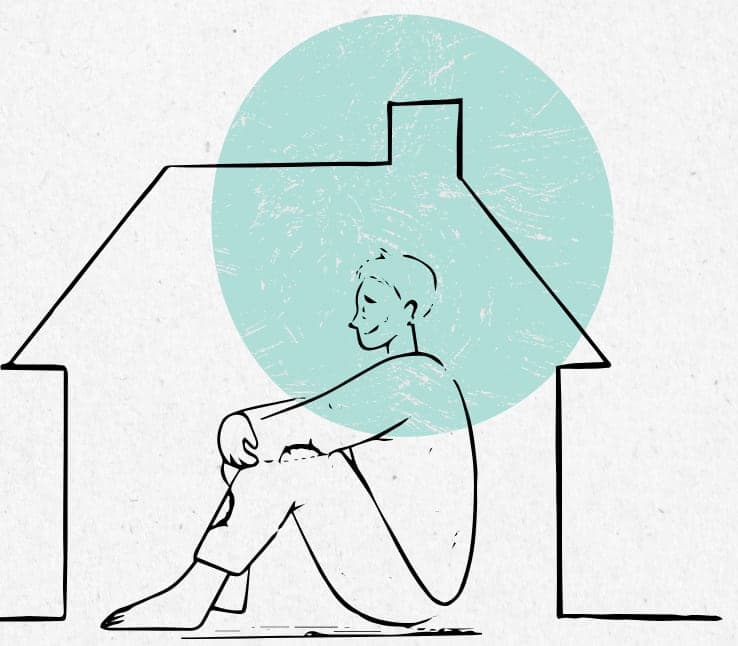
Day 1
Pause and notice yourself
- What to do
- Find a quiet place, sit comfortably, close your eyes and focus on your breathing. Ask yourself: “How do I feel right now?” Try to name your emotions - for example joy, sadness, anxiety, irritation. The key is not to judge them as “bad” or “good”.
- Why
- Becoming aware of your feelings is the first step towards accepting them. It helps you begin the emotional clean-up from a place of inner calm.
- Extra
- Try “box breathing”: inhale for 4 seconds, hold for 4, exhale for 4, hold for 4. It calms the nervous system.
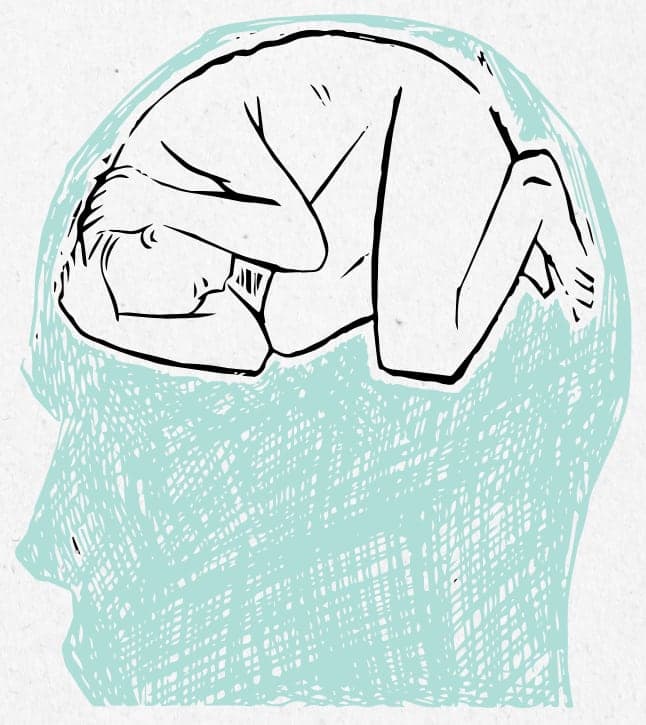
Day 2
Feel your emotions in your body
- What to do
- Lie down or sit comfortably, close your eyes and take a few deep breaths in and out. Notice your body: is there tension in your shoulders, neck or stomach? Imagine “breathing into” those places and letting them relax. Then do some gentle stretching or a body-scan meditation, from the top of your head to the tips of your toes.
- Why
- The body often “stores” our emotions, and working with physical sensations can be an effective way to release stress.
- Extra
- Try this: write a short message to your body, for example: “I see your tension - thank you for keeping me safe.”
Day 3
An emotion journal
- What to do
- Start a notebook where you write down your emotions every day. For example: “Today I felt anxious because work is worrying me.” Try to work out what exactly triggers your feelings and think about how you would like to deal with them.
- Why
- Writing emotions down helps you organise them and see clear triggers. It's the first step towards working on yourself mindfully.
- Extra
- Add a reflection question to your journal: “What can I do to feel better tomorrow?”
Day 4
An hour for yourself
- What to do
- Plan an hour for things that bring you joy: read a favourite book, go for a walk, make something with your hands (a drawing, a piece of jewellery, a dish). Switch off all devices and focus only on yourself.
- Why
- Setting time aside for yourself helps restore your energy and reconnect with your inner self.
- Extra
- Write a list of activities that inspire you and pick one from it every week.
Day 5
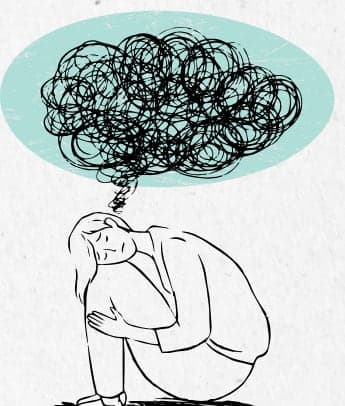
Letting go of the unnecessary
- What to do
- Look through your schedule and write down everything that causes stress or brings no satisfaction. Ask yourself: “Is this really necessary?” If not, delegate it, drop it or postpone it. Learn to say “no” politely but firmly.
- Why
- Making room in your life helps you avoid overload and lets you focus on what really matters.
- Extra
- Once a week, try a “digital detox”: put your phone away and enjoy real life.
Day 6
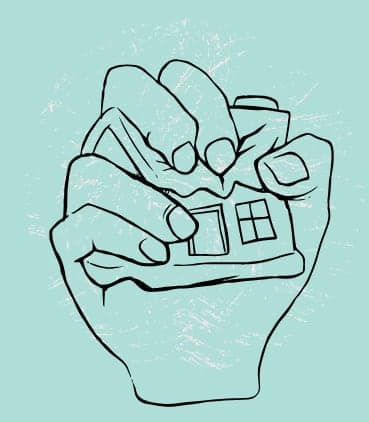
Mindfulness in action
- What to do
- Do everyday things more slowly, focusing on each movement. When eating, for example, notice the taste, texture and smell. If you're working, take pauses to check in with how you feel.
- Why
- Mindfulness helps you avoid acting on autopilot and understand your real needs better.
- Extra
- Write down three things you're grateful for today. It helps you notice the good things in life.
Day 7
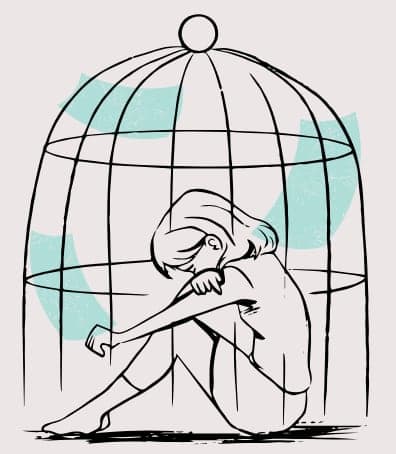
Gratitude and integration
- What to do
- Sum up the week. Write yourself a letter thanking yourself for all the effort you put into this emotional detox. Highlight the moments that were most valuable to you and list the habits you want to keep.
- Why
- Closing the process with gratitude and by integrating what you've learned helps the positive changes last.
- Extra
- Picture yourself a month from now: what does your life look like if you keep working on yourself? Create an “emotional vision” and keep it as motivation.
Take care of yourself and remember: you can do anything!
Would you rather not do this alone?
Message me and we'll work out together what suits you.
Please note
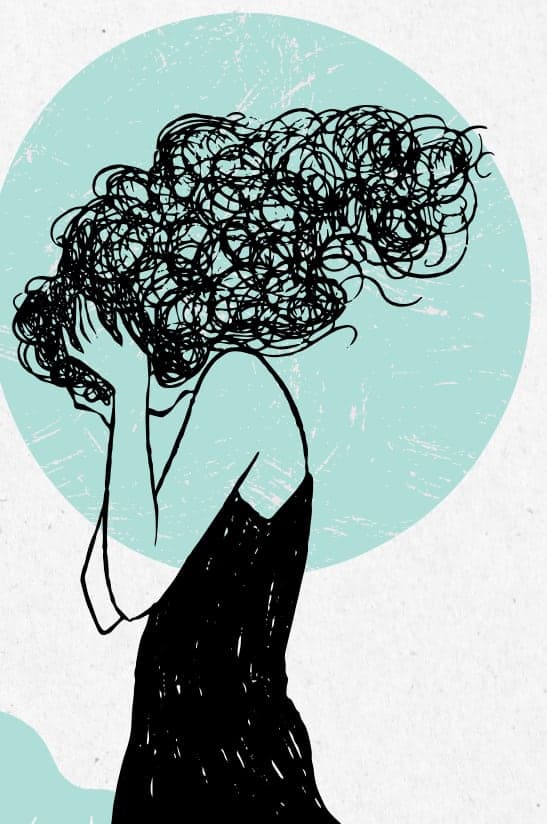
These exercises are for self-support and don't replace a session with a psychologist. If things feel very hard or are getting worse, please don't stay alone with it.